
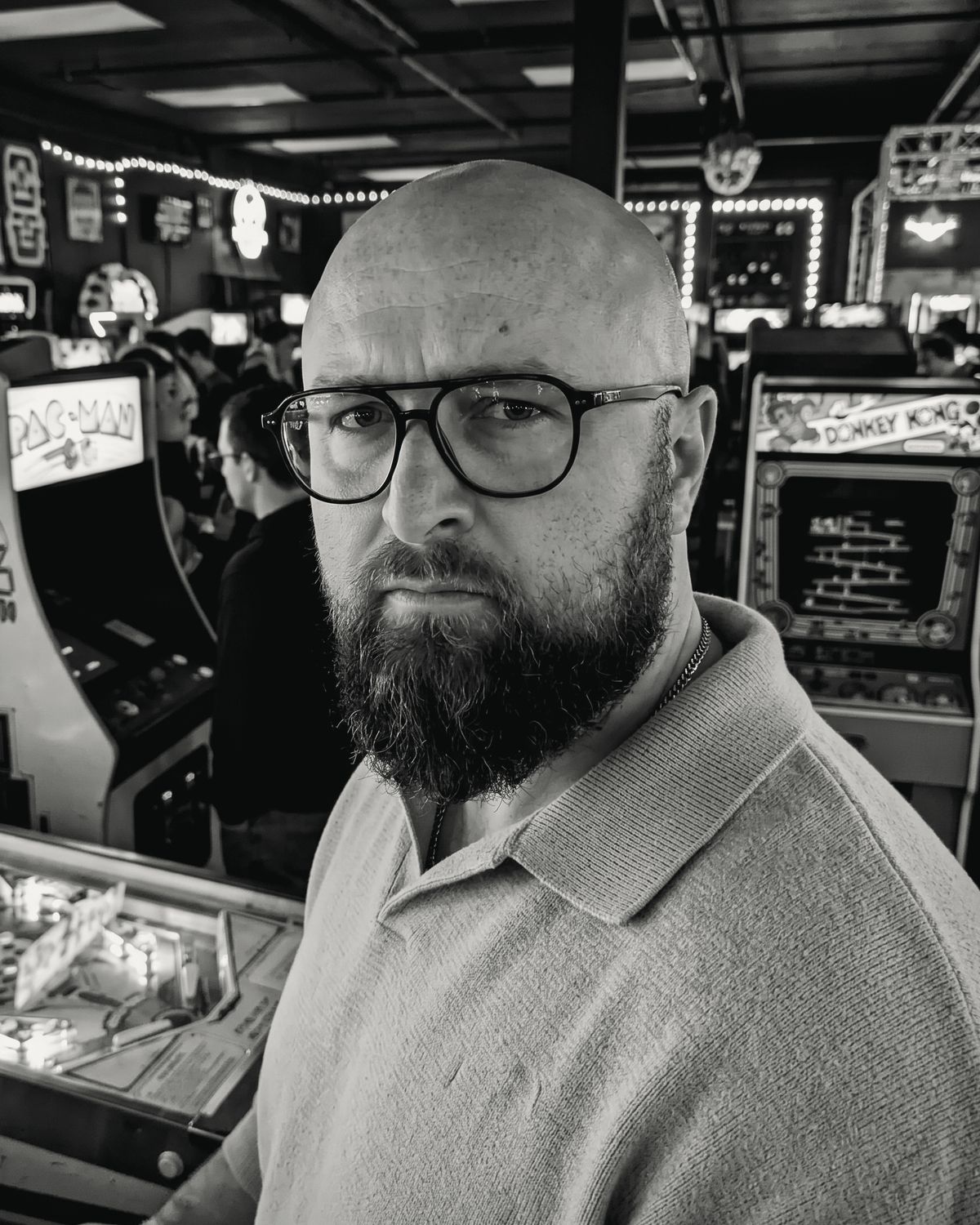
An operator’s read from an advisor’s seat.
Liquid Lock exists because portfolio companies keep buying advice that stops at the recommendation. This practice gives the recommendation and stays close enough to watch it land. It is run by one principal, deliberately, because this work does not scale by hiring juniors, and it is advisory by design. It does not take a seat on your payroll.
Two decades of growth leadership inside venture backed enterprise technology, most of it spent next to the rest of the machine. Head of growth at a venture backed security software company that went from roughly one to two million in revenue to six to seven in eighteen months, then through to acquisition. Marketing and growth leadership at Cisco, Tenable and Port.io, a strategic and go to market advisor to Concord, and today Director of Growth Marketing at XBOW. I do this because I like hard operating problems, and I have liked them at the largest brands and the smallest. The size of a company has never decided how loud its voice deserves to be.
Liquid where it counts. Locked where it matters.
The name carries the whole method.
Across functions. No department is out of scope, and the constraint is followed wherever it actually sits rather than where the org chart says it should.
On the exit. Every decision is judged against what a buyer will pay for it, and every system is built to hold after the engagement ends.
Four roles, stated plainly.
Kept deliberately separate. Liquid Lock is an advisory practice alongside a full time role, and every client knows that on day one.
An autonomous offensive security platform. Category creation for a product that proves itself rather than describing itself. This is the day job and it is why the read on go to market is current rather than remembered.
This practice. Advisory, one principal, no payroll seat.
An advisory seat on positioning, pipeline and the go to market plan.
Where the read was earned.
Most recent first. Two companies are described by shape at their request.
Developer platform. Demand engine, marketing operations and the revenue data model behind both.
Ran a digital strategy think tank for Duo Security, Splunk and Hypershield.
Advisory seat on growth after the acquisition below.
Roughly one to two million in revenue to six to seven in eighteen months. Acquired. The first case on the Work page.
Digital and growth marketing at a public cybersecurity company.
Three things, earned slowly.
Most underperformance is a sequencing failure, not a talent failure. The people are usually right. The order of operations is usually wrong.
A consultant is paid for the recommendation and leaves. An operator who advises is paid for what happens after it, and stays close enough to see. Only the second changes a multiple.
The most inventive thing in most companies is the pricing model nobody has been willing to touch. Creativity belongs in operating decisions, not only in brand work.
The fastest way to find out if this is useful is to talk.
Thirty minutes. Bring the thing that has been stuck for two quarters.